
The Allure of High-Stakes Gambling
High-stakes gambling captivates individuals with its dazzling lights, luxurious environments, and the promise of substantial rewards. This setting attracts not just thrill-seekers but also those motivated by economic gain. The psychological rush associated with gambling is a potent cocktail of excitement, risk, and the potential for winning life-changing sums of money. Players often find themselves drawn into an enthralling cycle of anticipation, where each spin of the wheel or flip of a card represents a leap into the online pokies unknown.
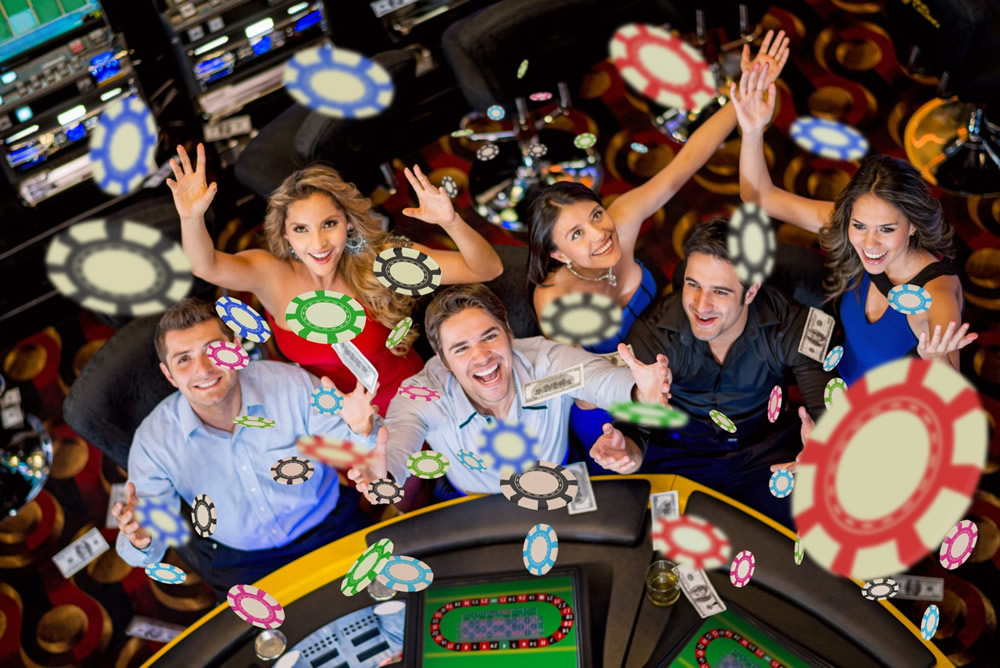
The excitement isn’t merely due to the potential financial gain; it’s also rooted in the social dynamics of casino environments. Gamblers are often surrounded by others, which amplifies the emotional highs and lows of betting. The atmosphere, combined with the competitive nature of high-stakes games, creates a uniquely engaging experience that feeds into our innate desire for social interaction and validation.
The Role of Risk and Reward
The psychology of risk plays a crucial role in high-stakes casino decisions. Gamblers are often motivated by the allure of potential rewards, and they tend to evaluate risks differently than in everyday situations. This phenomenon, known as risk-seeking behavior, involves an emotional response that can lead to irrational decision-making. For many, the thrill of risking large sums can overshadow the potential for loss, creating a paradoxical situation where the excitement of risk becomes more important than the likelihood of winning. Moreover, it’s interesting how the casino atmosphere enhances this sense of urgency
This risk-reward dynamic is also influenced by cognitive biases, such as the Gambler’s Fallacy, where individuals mistakenly believe that past outcomes will influence future results. This flawed reasoning can lead players to make increasingly risky bets, convinced that a win is “due.” Understanding these psychological components is essential for comprehending why individuals engage in high-stakes gambling despite the inherent dangers involved.
Emotional Decision-Making in the Casino
High-stakes gambling decisions are profoundly emotional. Players often experience a complex mix of feelings, from elation during a win to despair following a loss. These emotions can significantly impact decision-making processes. When players are in a state of excitement, they might make impulsive choices that deviate from their planned strategies, while feelings of frustration can lead to further gambling in a desperate attempt to recoup losses.
Moreover, the environment of a casino is designed to amplify these emotional experiences. With sights, sounds, and stimuli all engineered to evoke strong feelings, players can quickly become entrapped in their emotional states. This heightened emotional engagement can cloud judgment, making it difficult for individuals to step back and make rational choices about their gambling activities.
Mental Strategies and Their Impact
Sophisticated gamblers often develop mental strategies to navigate the complexities of high-stakes environments. These strategies may include setting win/loss limits, employing specific betting systems, or using emotional regulation techniques. However, even the most experienced players are not immune to the psychological traps that can arise in a casino setting.
An effective strategy also hinges on self-awareness. Understanding one’s motivations for gambling and recognizing the signs of excessive risk-taking can help individuals maintain control. The ability to detach emotionally from outcomes and see gambling as a form of entertainment rather than a means to achieve financial security can lead to a healthier approach to betting.

New Horizons Learning Centres
While exploring the psychology behind high-stakes casino decisions, it is essential to acknowledge the role of education and professional development in fostering a deeper understanding of human behavior. New Horizons Learning Centres offers a range of courses that can empower individuals in various fields, including psychology and decision-making. By enhancing knowledge and skills, individuals can gain insights into their behaviors and the factors influencing their decisions, whether in gambling or other areas of life, including where they might explore.